
One of the most common ways website projects go wrong is also one of the most understandable.
Everyone is excited to see something, so design begins immediately.
Homepage > Hero > Cards > Buttons > Maybe a clever animation.
Then somebody asks: “What goes in this section?”
And the project quietly reveals that nobody has actually agreed on what the website is supposed to say.
This is backwards.
The website is not the business, it is an interface to the business.
Before deciding what the page should look like, you need to understand what is behind it.
What are you selling? To whom? What does the customer care about? What do they already know? What do they need explained? What are they worried about? What action do you want them to take? Which services matter most commercially? What makes you genuinely different?
What are you selling? To whom? What does the customer care about? What do they already know? What do they need explained? What are they worried about? What action do you want them to take? Which services matter most commercially? What makes you genuinely different?
These are not design questions, they are business questions. But they determine the design.
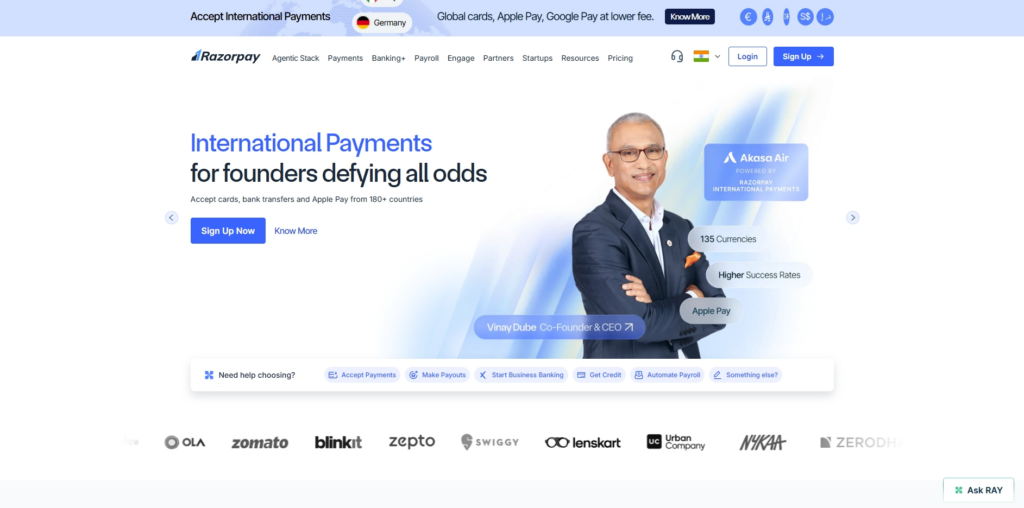
Razorpay’s homepage research illustrates this neatly.
The design team tested not just visual appeal but whether visitors understood the company’s positioning and product breadth.
They found that concentrating too heavily on look and feel could compromise comprehension, which then fed back into the redesign.
That is exactly why discovery matters,
- The hierarchy on the page should come from priority.
- The navigation should come from how customers think.
- The content should come from what buyers need to understand.
- The calls to action should come from the sales process.
Then design gives all of that form.
A useful website process is therefore surprisingly unglamorous at the beginning.
Talk > Ask questions > Read > Map things > Delete things > Argue about terminology > Work out whether two services that sound identical actually are > Decide what matters.
Then open the design tool of your choice.
You will usually get a better website, and you will probably get there faster.